
Raising a child with autism can be a journey full of wonder, challenges, and small victories. One of the most significant hurdles many parents notice early on is communication. Children with autism may struggle to express their needs, understand language, or respond in social situations. This is where speech therapy comes in—not just as a clinical tool, but as a lifeline for connection, learning, and growth.
At home, parents often notice that even simple interactions can be frustrating. Your child may point instead of speaking, or use a single word repeatedly to convey different needs. This is normal, and it is where speech therapy can gently guide children to expand their language and communication skills in ways that feel natural and supportive.
Understanding Speech Therapy for Autism
Speech therapy is a structured way to help children develop their communication skills. It focuses not only on spoken language but also on understanding gestures, facial expressions, and social cues. For many children with autism, learning to communicate is not just about words—it’s about feeling understood and confident in expressing themselves.
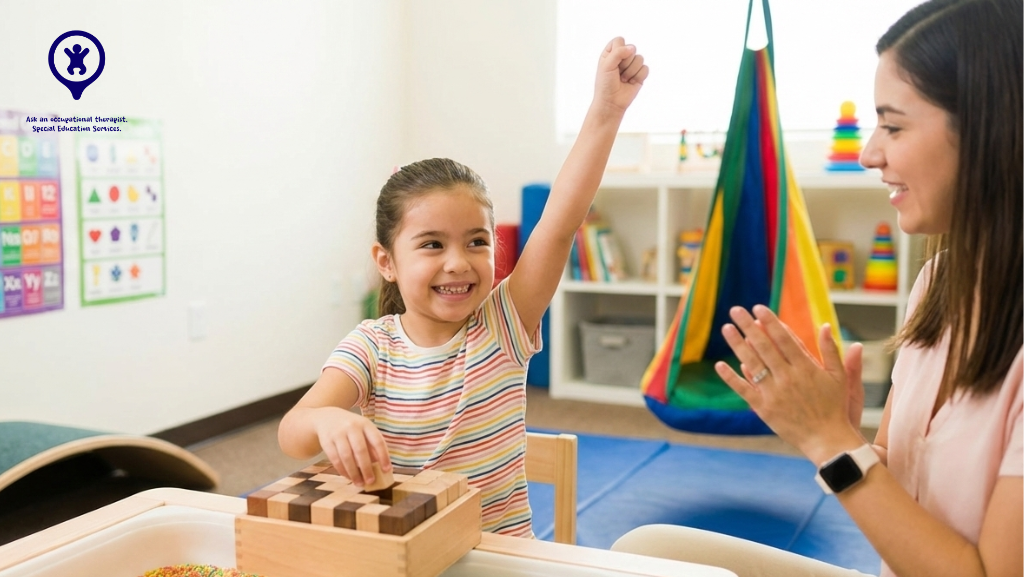
At a speech therapy school in Islamabad, trained therapists create individualized programs tailored to each child’s unique strengths and challenges. The approach is gradual and empathetic. Rather than forcing the child to meet rigid milestones, therapists work closely with parents to build skills step by step, celebrating small successes along the way.
How Speech Therapy Helps
Speech therapy offers many benefits beyond vocabulary. It can help children:
- Express basic needs and feelings
- Improve social interaction
- Reduce frustration and anxiety caused by communication difficulties
- Develop confidence and independence
A child who learns even a few new words or phrases through therapy may suddenly be able to tell you what they want, how they feel, or what they enjoy. These breakthroughs, though small, can dramatically improve daily life for both the child and their family.
Choosing the Right Institute
Selecting the right place for speech therapy is essential. A reputable speech therapy institute in Pakistan provides a nurturing environment where children feel safe to explore language and communication. Look for centers that emphasize individualized care, trained therapists, and ongoing support for parents.
When visiting a center, notice how therapists interact with children. Are they patient? Do they use positive reinforcement? Do they involve parents in sessions? These subtle cues can make a world of difference in ensuring your child receives the best possible guidance.
Collaboration with Occupational Therapy
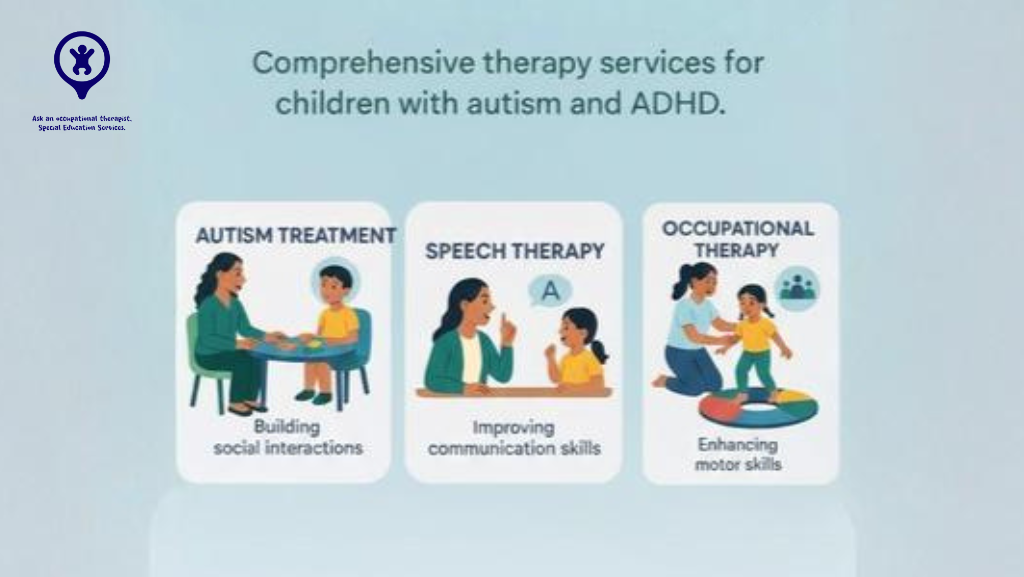
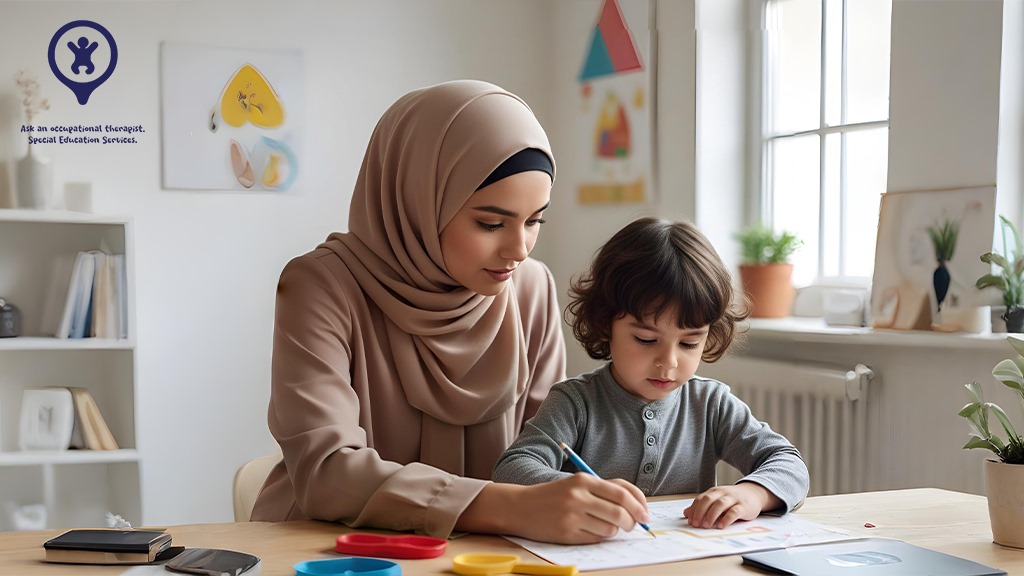
Speech therapy often works best when combined with other interventions. For example, occupational therapy can complement communication work by improving motor skills, attention, and sensory regulation. A child who struggles with fine motor tasks may find it harder to gesture or sign, which can hinder communication.
Working with a best occupational therapist in Islamabad or an experienced occupational therapist in Pakistan can create a comprehensive support system. Together, speech and occupational therapists address both the physical and verbal aspects of communication, helping children interact more effectively with the world around them.
Practical Activities at Home
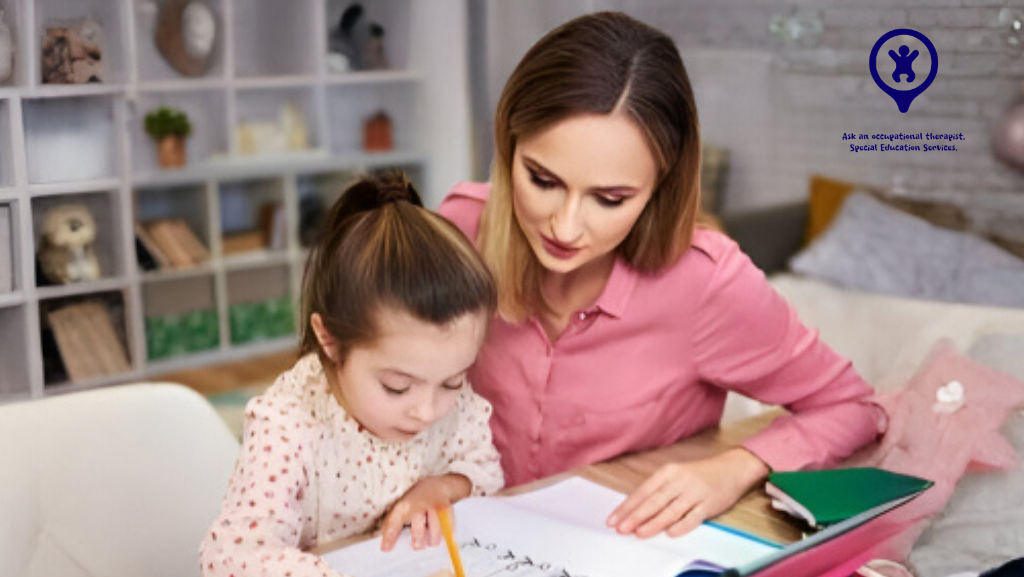
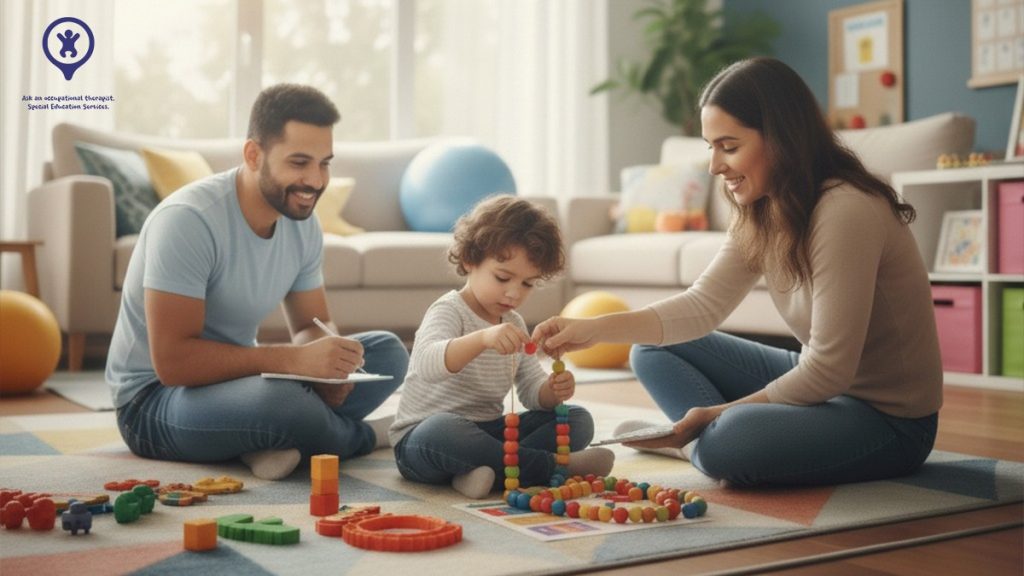
Therapy doesn’t end when the session is over. Parents can reinforce skills through daily routines. Simple activities like reading together, singing, or playing interactive games encourage language use in natural contexts.
Even short moments matter. Naming objects during play, encouraging your child to request items verbally, or responding to gestures builds confidence. Parents often notice that when they engage actively and positively, children are more willing to attempt new words or phrases.
Overcoming Challenges
It’s normal for progress to feel slow at times. Some children may resist speaking, repeat words inaccurately, or become frustrated. These challenges are not failures—they are opportunities for learning.
Therapists at leading centers teach parents strategies to manage these moments: breaking tasks into smaller steps, using visual aids, and celebrating tiny victories. The goal is to make communication rewarding, not stressful.
Benefits Beyond Words
Speech therapy impacts more than vocabulary. Children learn to express emotions, understand others’ feelings, and navigate social situations. These skills improve self-esteem and help them build relationships.
Parents often report that after consistent speech therapy, children are not only talking more but also more engaged, confident, and emotionally resilient. It’s a ripple effect that touches every aspect of their development.
Long-Term Impact
The skills learned in speech therapy provide a foundation for lifelong communication. Early intervention can significantly enhance academic, social, and emotional development. Children gain confidence, independence, and the ability to advocate for themselves as they grow.
For families, the transformation is profound. Everyday tasks—ordering food, asking for help, sharing feelings—become accessible. The child feels heard, and parents feel empowered to support their growth.
Final Thoughts
Speech therapy is not just a service—it’s a bridge. It connects children with autism to the world around them, giving them tools to communicate, express themselves, and thrive. Choosing the right speech therapy institute in Pakistan, and collaborating with skilled occupational therapists, creates a supportive environment where children can reach their potential.
Every small word, gesture, and success is a step toward independence and confidence. Through consistent, compassionate guidance, children with autism can grow, learn, and flourish in ways that touch their families’ hearts every single day.