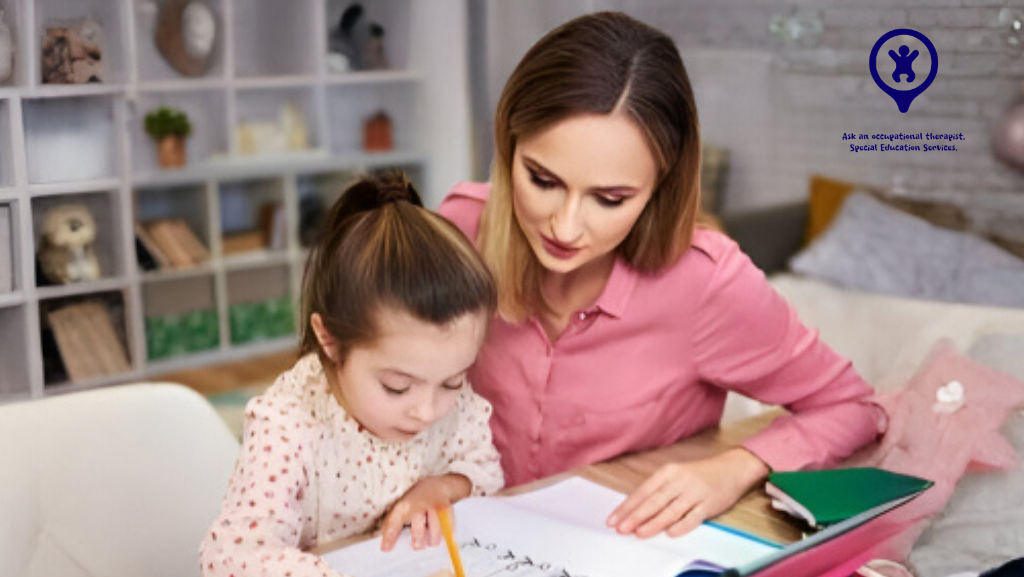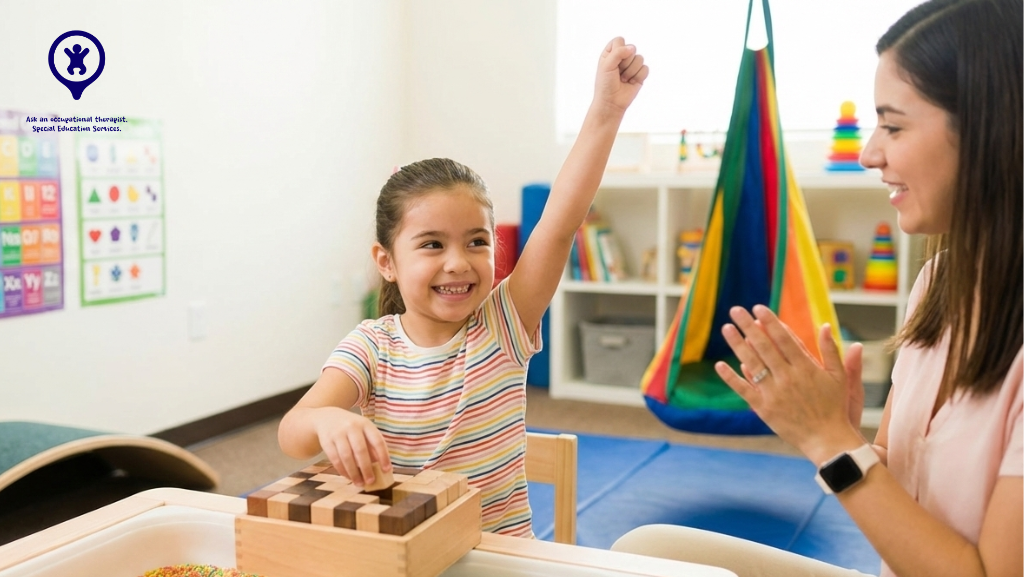

A mother walked into our center last month with her five-year-old. The first thing she asked? “Will my son ever go to a normal school?”
I’ve heard this question hundreds of times. And honestly, it breaks my heart a little each time—not because the answer is no, but because I can feel the weight of worry behind it.
Here’s what I always say: Yes. With the right support, most children can make this transition. But it’s not magic, and it doesn’t happen overnight.
Let’s Talk About What This Journey Actually Looks Like
Getting a child ready for mainstream school isn’t about checking boxes on a form. It’s messier than that. Some kids surprise us and are ready within months. Others need a couple of years. There’s no “normal” timeline, despite what Dr. Google might tell you.
I’ve seen parents push too hard, too fast—and watched their kids struggle because they weren’t quite ready. I’ve also seen parents hold back out of fear, keeping their child in therapy longer than necessary. Finding that sweet spot? That’s where we come in.
The thing is, rushing doesn’t help anyone. A child who’s thrown into a classroom before they’re prepared might lose confidence. But a well-prepared child? They can absolutely thrive—make friends, learn, and genuinely enjoy school.
What Does “Ready” Even Mean?
Before we talk about sending a child to school, let’s get real about what they actually need to handle it. Through our school readiness program in E-11 Islamabad, we’ve figured out what matters most:
Can they communicate their needs? I’m not talking about perfect sentences here. A child needs to tell someone when they need the bathroom, when they’re hurt, or when they need help. Some kids use words, others use picture cards or devices. Both work.
Do they understand how to be around other kids? School is social. Can they wait their turn? Join a group activity? Understand that hitting isn’t how we say hello? These skills take practice.
Can they handle basic self-care? Nobody expects perfection, but kids need to manage bathroom trips, eat lunch without constant help, and keep track of their water bottle. Small things that make a huge difference.
How’s their behavior regulation? Can they sit during circle time? Follow the daily routine? Handle frustration without a complete meltdown? These are the skills that help kids fit into a classroom structure.
Are they cognitively ready? I’m not worried about whether they know calculus. But can they pay attention for a few minutes? Remember a two-step instruction? Match colors? That’s the foundation we’re building on.
Why Multiple Therapies Matter
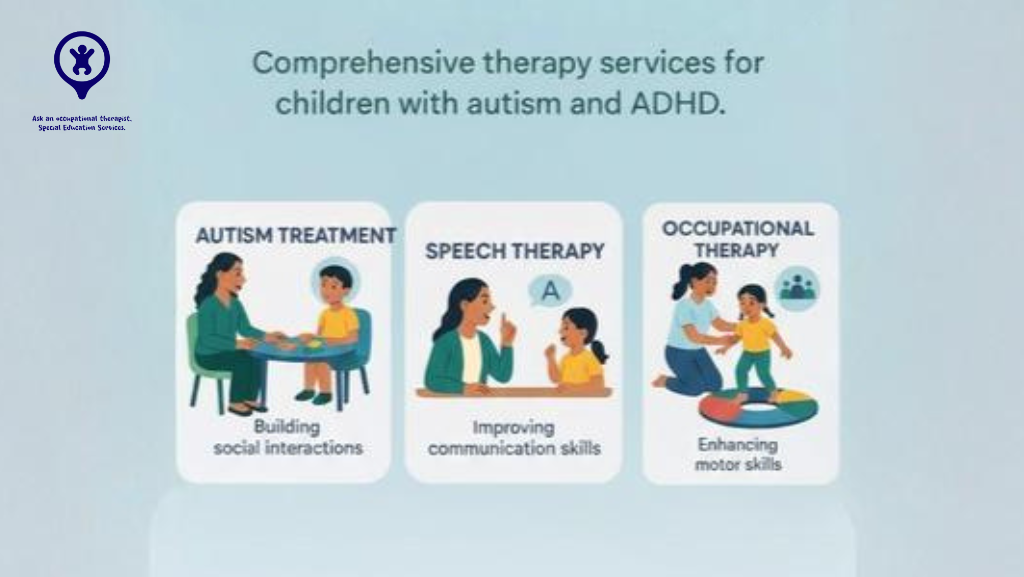
Getting kids ready for school isn’t a one-person job. Therapies for autism Islamabad work together because, frankly, no single approach covers everything a child needs.
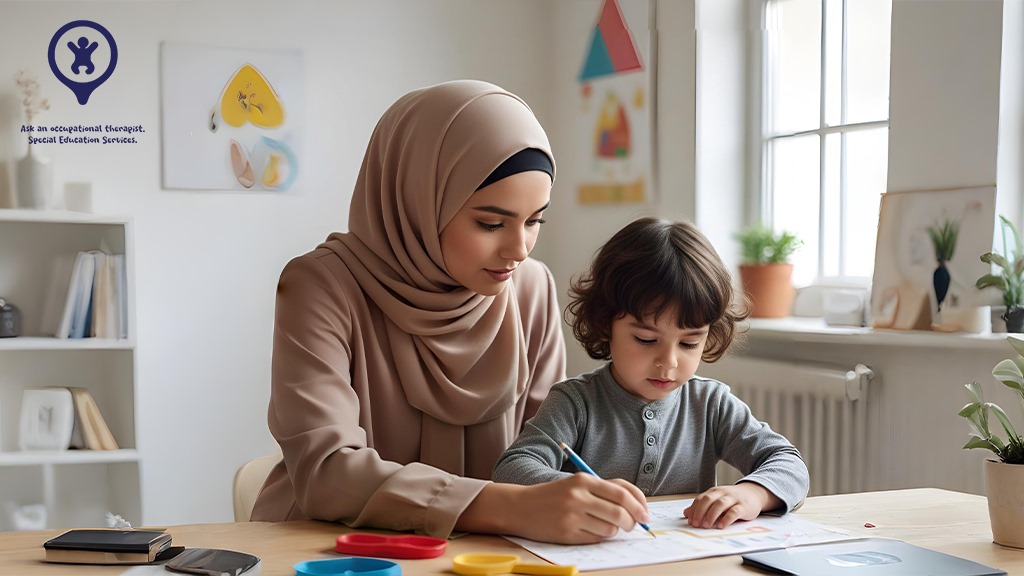
Our occupational therapists help kids hold pencils, cut with scissors, and—crucially—handle the sensory chaos of a school cafeteria. The best occupational therapist Islamabad families work with focuses on sensory integration, because a child who melts down from fluorescent lights or loud hallways isn’t going to have a great school experience.
ABA therapy tackles behavior and learning. Kids learn to follow instructions, sit appropriately, and replace challenging behaviors with better alternatives. It’s systematic and it works.
Speech therapy isn’t just about clear pronunciation. It’s about asking questions, telling the teacher you don’t understand, and chatting with friends at lunch.
Then there’s remedial therapy, which bridges academic gaps. If your child is seven but working at a four-year-old level, we help close that gap before school starts.
Working with the best therapist for autism in Islamabad means having someone who coordinates all these pieces and keeps everyone—therapists, parents, teachers—on the same page.
The Individual Education Plan Thing
IEPs sound bureaucratic and boring, I know. But they’re actually pretty important.
Think of an IEP as your child’s personalized roadmap. It says: Here’s where we are. Here’s where we’re going. Here’s how we’ll get there. And here’s how we’ll know when we’ve arrived.
We write down specific goals—not vague stuff like “improve behavior,” but concrete things like “will sit during 10-minute activities without getting up” or “will use 3-word sentences to request items.”
We also document what works for your child. Some kids need visual schedules. Others need fidget tools or quiet breaks. Whatever helps them succeed goes in the plan.
And here’s the key: these aren’t set in stone. We review them constantly, adjust them, throw out what’s not working, and double down on what is.
Our Bridge School Approach
Here’s something we created that makes a real difference: a bridge school environment.
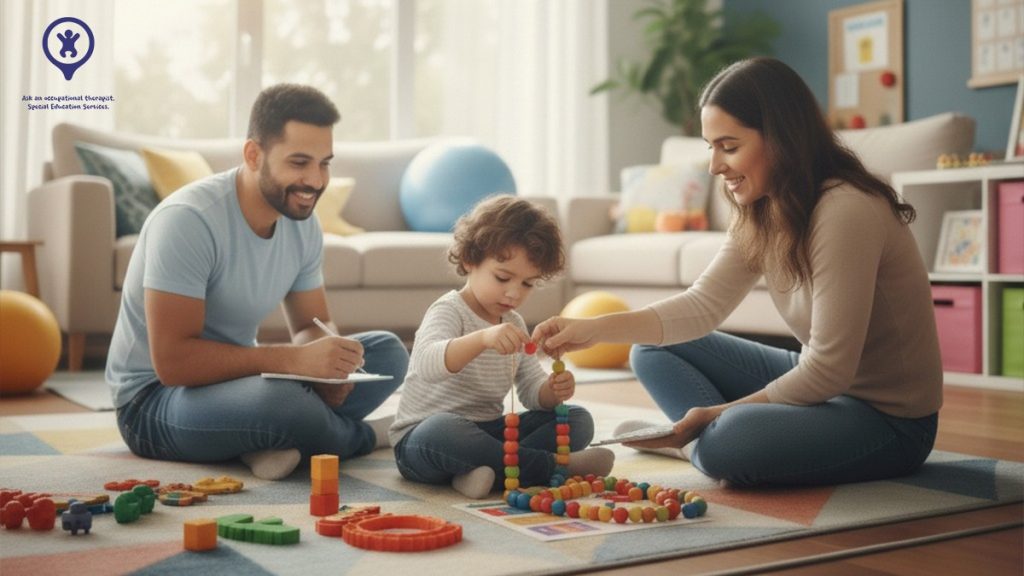
It’s exactly what it sounds like—a bridge between therapy and regular school. Kids come to a classroom-like setting but with therapists nearby. They follow a schedule, do group work, practice academic skills, and learn to navigate social situations.
It’s like a dress rehearsal for school. Kids get to try everything out in a safe space where mistakes are expected and support is immediate.
Some children spend a few months here. Others need a year or more. But by the time they leave, they’ve experienced what school feels like—and they’re ready for it.
Schools Need to Be Part of This Too
We can’t just prepare a child and hope for the best. The receiving school needs to be on board.
We talk to teachers. We explain autism in practical terms—what it looks like for this specific child, what helps, what doesn’t. We share strategies that work. We offer training sessions for school staff.
And we don’t disappear after enrollment. We stay in touch, troubleshoot problems, and provide backup support when needed.
Parents Are the Secret Ingredient
I’ll be honest: parents make or break this transition.
The families who practice school routines at home, read books about school, visit the building before day one, and stay in regular contact with teachers? Their kids tend to do better.
It’s not about being perfect. It’s about being involved and consistent. Celebrate the small wins. Your child wore their school uniform without a fuss? That’s progress. They made it through morning assembly? Huge victory.
Why This Matters So Much
That mother I mentioned earlier? Her son started mainstream school last semester. She called me crying—happy tears this time. He’d made a friend. A real friend who invited him to a birthday party.
That’s what inclusion actually looks like. Not just sitting in a classroom, but belonging there. Having friends. Learning. Being happy.
We’re not just preparing kids for school placement. We’re preparing them for a life where they’re included, valued, and given every opportunity to succeed.
The path from therapy to mainstream education isn’t always smooth. Some days are hard. Some weeks feel like you’re going backwards. But with patience, the right therapeutic support, and people who believe in your child’s potential, it happens.
If you’re wondering where your child is on this journey—or if you’re not sure where to start—reach out. Let’s talk about where they are now and where they could be. Every child deserves that chance.
At Ask an Occupational Therapist (AOT), we’ve been helping families navigate this transition since we opened. We’re Pakistan’s first sensory-based therapy organization, and preparing children for mainstream success is what we do best.