Anxiety in Autistic Children: How Therapy Can Help Calm the Nervous System

If you have an autistic child, you already know that some days feel like walking through a minefield — not because your child is difficult, but because the world around them is loud, unpredictable, and overwhelming in ways most people will never fully understand. Anxiety is one of the most common and least talked-about companions to autism, and it shows up differently in every child. Some kids shut down completely. Others lash out. Many just seem to be in a constant state of low-level distress that nobody around them can quite name. As a parent, watching this happen and not knowing how to help is one of the hardest things you can go through. The good news is that help exists — real, evidence-based, compassionate help. And if you’re looking for a qualified occupational therapist Pakistan families trust, you’re already asking the right question.
Why Autistic Children Experience Anxiety Differently
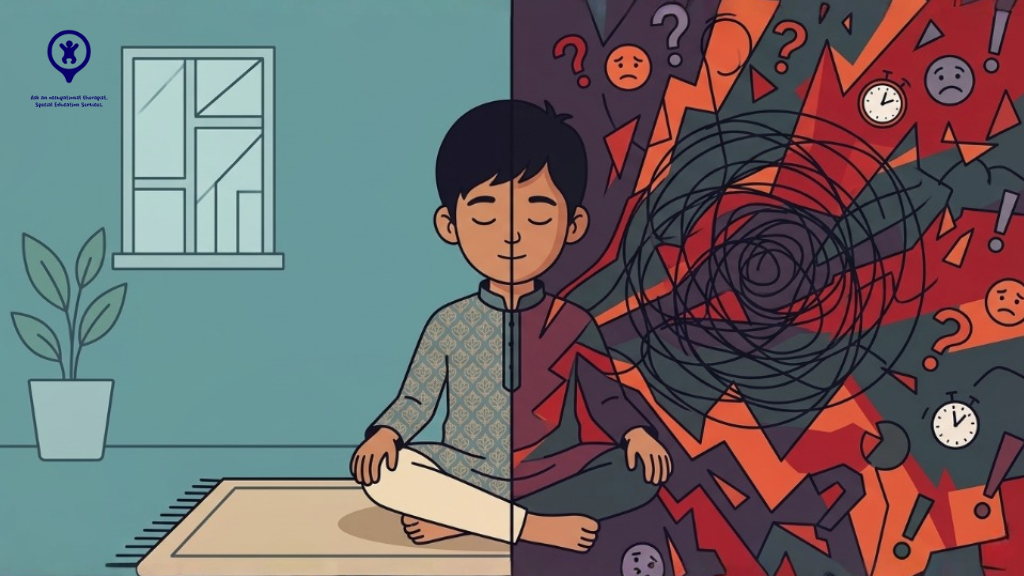
Here’s something that often surprises parents: anxiety in autistic children isn’t always about fear the way we think of it. It’s frequently rooted in the nervous system itself. When a child’s brain processes sensory information differently — when a flickering light feels like a physical assault, when a crowded room sounds like ten radios playing at once, when an unexpected change in routine feels like the ground has shifted beneath their feet — the body’s stress response fires constantly. It’s not drama. It’s neurology. In fact, published research confirms that anxiety disorders affect between 40–60% of autistic children, making it one of the most prevalent co-occurring challenges families face. This is exactly why therapies for autism that focus on the nervous system — rather than just behaviour — tend to produce the most lasting results. Addressing anxiety at its root, rather than just managing its outward signs, is what good therapy is built on.
What Anxiety Actually Looks Like in an Autistic Child
Parents often miss anxiety in their autistic children because it doesn’t always look like worry. Sleep problems are extremely common too, because an anxious nervous system simply doesn’t know how to power down at night. TACA’s family resources on anxiety offer an excellent breakdown of these less obvious signs, which many families find eye-opening when they first read them. Families seeking therapies for autism Islamabad often come in describing these exact patterns, not realising they’re describing anxiety. Once you name it correctly, the path forward becomes much clearer.
How Sensory Integration Therapy Addresses Anxiety at Its Source
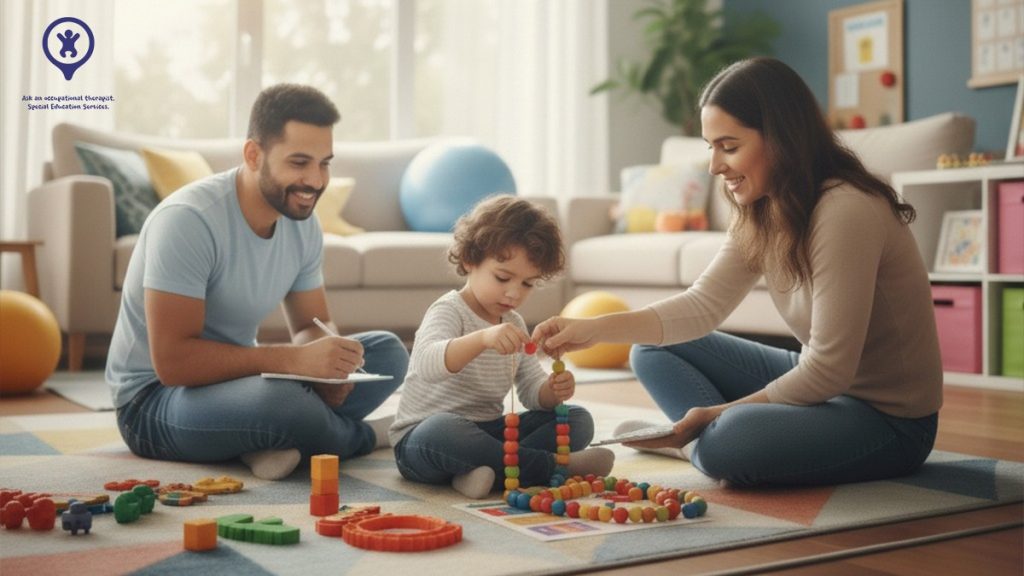
Sensory integration therapy is one of the most powerful tools available for calming an anxious nervous system in autistic children. The idea is straightforward but the impact is profound: by carefully and systematically exposing the child to sensory experiences in a controlled, safe environment, the nervous system gradually learns to process input without going into overdrive. A child who used to scream at the feeling of sand on their feet can, over time, tolerate it — and eventually not notice it at all. If you’re unsure whether your child’s behaviour is rooted in anxiety, Surrey Place’s guide on recognising anxiety signs in autistic children is a genuinely useful read before your first appointment. At our autism therapy center Islamabad, this work happens through play-based activities that feel natural and enjoyable to the child while doing serious therapeutic work under the surface. Swings, climbing equipment, textured materials, and movement activities all serve a purpose: they’re slowly teaching the nervous system that the world is manageable.
ABA Therapy and Building Predictability
One of the most effective ways to reduce anxiety in autistic children is to increase predictability. When a child knows what’s coming next, the nervous system doesn’t have to stay on high alert. Applied Behaviour Analysis (ABA) therapy works beautifully here — not by suppressing who the child is, but by building structure, communication skills, and coping strategies that give the child more control over their environment. Advanced Autism’s overview of addressing anxiety through ABA explains this well and is worth bookmarking. At our autism school Islamabad, we use ABA alongside other therapies to help children understand their world better and respond to it with greater confidence. A child who can communicate “I need a break” instead of having a meltdown is a child whose anxiety has somewhere productive to go. That shift doesn’t happen overnight, but with consistency, it absolutely happens.
Speech Therapy: Giving Anxiety a Voice
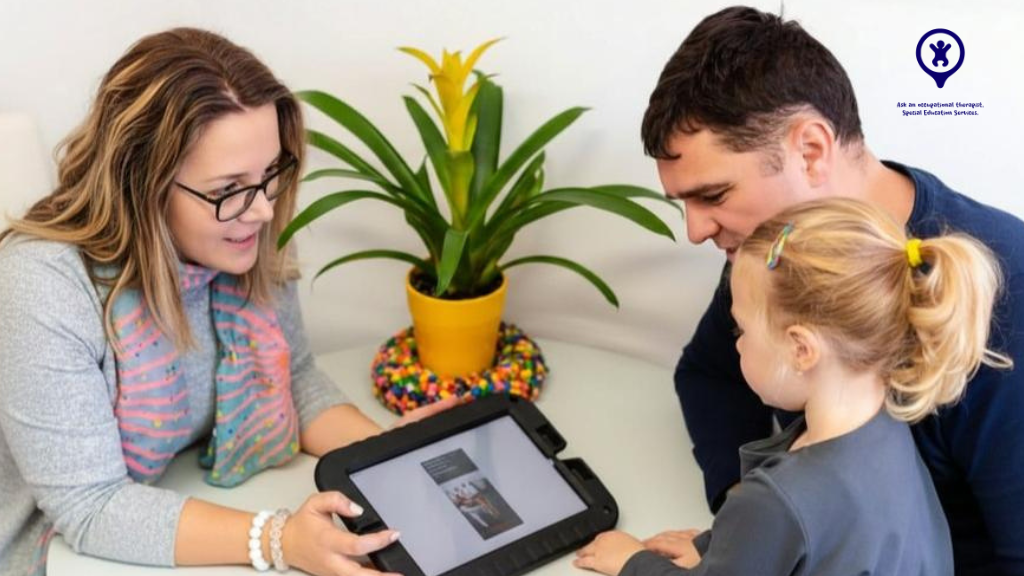
There’s a particular kind of suffering that comes from not being able to express what you’re feeling. For many autistic children — especially those who are non-verbal or have limited expressive language — anxiety compounds because there’s no outlet for it. Speech therapy directly targets this. By helping children develop communication skills, whether through spoken language, AAC devices, sign language, or picture exchange systems, we give anxiety a voice. And once it has a voice, it becomes manageable. Autism Speaks’ expert guidance on managing anxiety highlights communication as one of the central pillars of anxiety reduction — something we see confirmed every day in our work. Parents who come to us looking for the best autism treatment in E11 Islamabad often notice that as their child’s communication improves, their anxiety visibly decreases. Being understood is one of the most calming things a human being — at any age, with any neurology — can experience.
The Role of Occupational Therapy in Daily Life Regulation
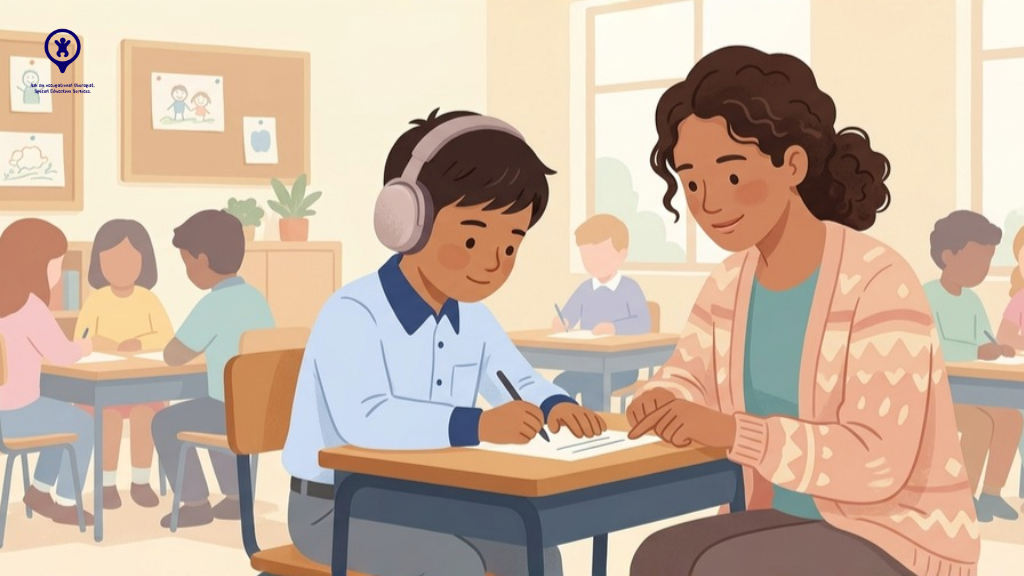
Occupational therapy does something quietly remarkable: it makes everyday life less exhausting. For an autistic child, daily tasks that neurotypical children do without thinking — getting dressed, eating breakfast, sitting in a classroom, transitioning between activities — can each be a source of significant stress. OT works on the skills and sensory strategies that make these tasks easier. We might work on fine motor skills so that holding a pencil doesn’t feel like a wrestling match. We might develop a sensory diet — a personalised set of activities spread throughout the day that keeps the nervous system regulated. As the best autistic child care centre Islamabad families have relied on, we see every single day how OT reduces the cumulative anxiety load that autistic children carry. Less struggle in daily tasks means more energy available for learning, connecting, and simply being a child.
Why a Multidisciplinary Approach Makes the Difference
No single therapy handles anxiety in autistic children completely on its own. That’s not a limitation — it’s simply how complex the nervous system is. The most effective approach combines sensory integration therapy, ABA, speech therapy, and occupational therapy for children Pakistan families have increasingly come to understand as a package rather than a menu of options. When these therapies work together, guided by a team that communicates and coordinates, the child benefits from a consistent, holistic approach to calming their system. At AOT, all of this happens under one roof. Our multidisciplinary team doesn’t work in silos — we talk to each other, we adjust plans together, and we keep parents at the centre of every decision. You are not a bystander in your child’s progress. You are the most important member of the team.
What You Can Do Starting Today
You don’t have to wait until things get unbearable to seek support. In fact, the earlier you reach out, the more we can do. If your child seems to be in a constant state of tension, if meltdowns are increasing, if they’re struggling to sleep or eat or transition between activities — these are signs that their nervous system is asking for help. Start by writing down what you observe: when anxiety peaks, what seems to trigger it, what seems to help even temporarily. That information is gold when you first sit down with a therapist. Look for a centre that takes a sensory-based, evidence-driven approach. Ask questions. A good team will welcome them.
Anxiety doesn’t have to define your child’s life. With the right support, the right therapists, and the right environment, the nervous system can learn to feel safe in the world. That transformation is possible. It takes time, it takes patience, and it takes a team that genuinely cares — but it is absolutely, unquestionably possible.