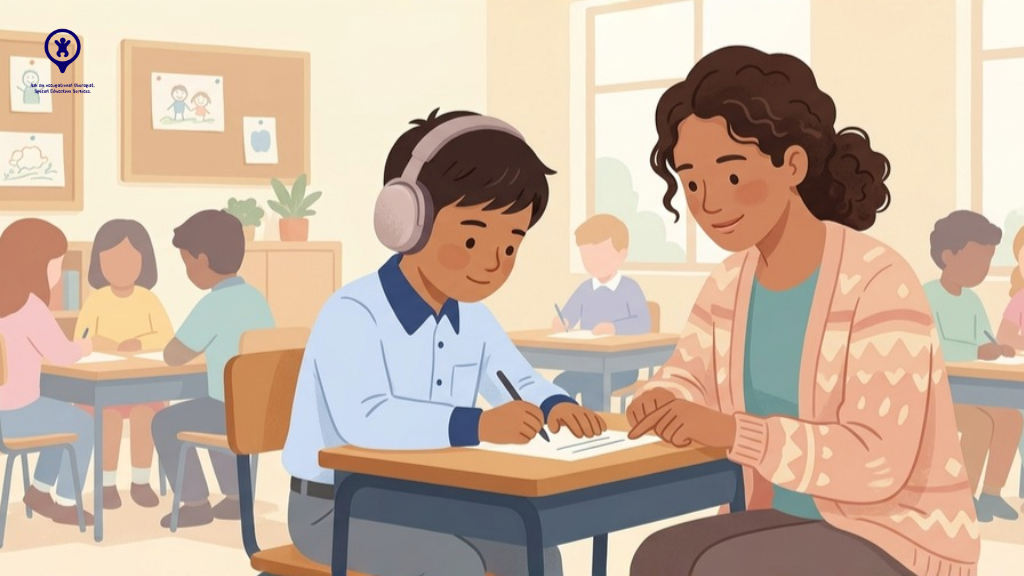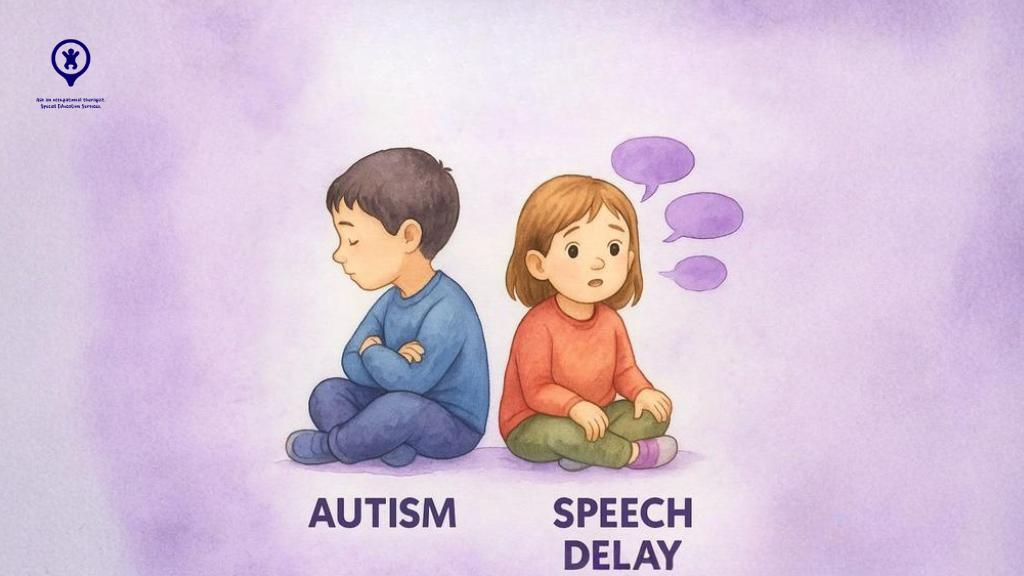


The night before your autistic child starts school, you probably won’t sleep. You’ll lie awake thinking about everything — whether the teacher will understand them, whether the noise will be too much, whether they’ll find their way to the bathroom without breaking down in the hallway. That fear is real, and it doesn’t mean you haven’t prepared enough. It means you love your child deeply and you understand what the world can feel like through their eyes.
School is a massive transition for any child. But for a child on the autism spectrum, it’s a complete shift in sensory environment, routine, social expectation, and emotional regulation — all at once. The good news? With the right preparation, that transition can go from terrifying to genuinely manageable. Families working with our team at AOT Pakistan have told us time and again that what made the biggest difference was not the school itself — it was how prepared the child felt before they ever walked through the door.
Start with the School Visit — More Than Once
One visit is never enough. If you’re searching for an autistic child school in Islamabad or enrolling in a mainstream setting, take your child to see the school before term begins — ideally two or three times. Walk the same route they’ll walk every day. Show them where to put their bag, where the toilets are, and where they’ll sit. Let them hear the bell ring when the building is quiet, not when 300 children are pouring out of classrooms.
Familiarity is one of the most powerful tools we have for autistic children. When a space stops feeling unknown, it stops feeling threatening. Take photos of the classroom, the teacher, the school gate, and the lunch area. Put these into a small photo book your child can look through at home in the weeks before school starts. For a detailed step-by-step breakdown of how to structure these pre-school visits, this guide from Jewel Autism Centre is one of the most practical we’ve come across — especially useful for parents doing this for the first time.
Build the Routine Before School Begins
Two weeks before the first day, start practicing the school routine at home. Wake up at the same time. Have breakfast at the same time. Get dressed in the school uniform. Even if you don’t go anywhere, rehearsing the sequence helps the brain begin to expect it. For children receiving therapies for autism in Islamabad, this is something therapists often work on directly — called ‘transition preparation’ — and it genuinely works.
Visual schedules are your best friend here. A simple strip of pictures showing morning-to-school steps (wake up, wash face, eat breakfast, put on shoes, go to school) gives your child something concrete to follow. It removes the need for repeated verbal instructions, which can feel overwhelming. Laminate it. Stick it on the wall beside their bed. Let them tick it off each morning. Autism Speaks has put together asolid set of back-to-school tips that covers routines, social preparation, and how to help your child adjust to a new school year — worth bookmarking as the first day approaches.
Talk to the Teacher Before Day One
Don’t wait for the first parent-teacher meeting. Reach out before school starts and share a brief written summary of your child’s needs, triggers, and what helps them calm down. You don’t need a long document — even a one-page ‘About Me’ profile is enough. Include what your child loves, what overwhelms them, how they communicate when they’re distressed, and any strategies that work at home. If you’ve been working with an autism specialist in Islamabad, ask them to help you create this profile.
One thing parents often overlook is knowing which questions to actually ask during school transition meetings. Rather than going in underprepared, this resource from Breakthrough Autism walks you through the right questions to raise with school staff before your child starts — it can completely change the quality of conversation you have with a teacher or principal.
Teachers want to do right by your child. They just often don’t know how. Giving them information upfront is one of the most effective things a parent can do — and it sets the tone for an ongoing collaborative relationship.
Address Communication First
If your child is non-verbal or has limited speech, school without a communication plan is like sending someone to a foreign country with no way to ask for help. This is why accessing speech therapy before school begins is so important. Families looking for a speech therapy school in Islamabad or a clinic that integrates speech and school readiness goals should prioritize this well before enrollment — ideally six to twelve months in advance.
Whether your child uses PECS, AAC devices, sign language, or is developing verbal speech, your school needs to know the system and be willing to use it consistently. Inconsistency breaks down communication fast. Coordinate between your therapist and the classroom teacher so they’re using the same cues, the same symbols, and the same response patterns. If you’re looking for deeper guidance on how autism affects learning specifically and how to set your child up for academic success, Opal Autism’s resource on preparing children for school and learning covers this particularly well — from communication tools to classroom environment considerations.
Prepare for Sensory Overload
Schools are sensory minefields — fluorescent lights, echoing corridors, crowded lunchrooms, school bells, the smell of chalk and cleaning products. For many autistic children, this environment is genuinely painful before it’s even socially challenging. Before school starts, speak with the school about sensory accommodations. Can your child sit near the door for easy exit? Can they wear ear defenders during assembly? Is there a quiet corner in the classroom they can retreat to?
If you’re based in the capital and working with a centre for autism in Islamabad, ask your occupational therapist to create a sensory profile for your child. This document outlines exactly which sensory inputs are problematic and which are regulating — and it’s something a school teacher can refer to when a child is dysregulated. It takes the guesswork out of “why is this child falling apart at 10am every Tuesday.”
Practice Social Scenarios at Home
Unstructured social time — break, lunch, the queue for the water fountain — is often where autistic children struggle most. These are the moments with no script, no clear rules, and high sensory input. You can help by practicing simple scripts at home. “Can I sit here?” “Do you want to play?” “I need a minute.” These aren’t robotic phrases — they’re tools that reduce cognitive load in moments of social uncertainty.
Social stories are another evidence-based approach that works well for school preparation. A short story walking through a typical school day scenario helps the brain anticipate and process events before they happen. Ask your therapist at an autistic school in Islamabad whether they can help you write a few tailored to your child’s specific concerns.
The First Few Weeks: What to Expect
The first week will likely be the hardest. Expect regression at home — more meltdowns, more clinginess, more rigidity around evening routines. This is normal. Your child is spending enormous amounts of energy adapting to a new environment all day. By the time they get home, they have nothing left. Keep evenings calm, predictable, and low-demand.
If things are genuinely difficult after week three, don’t push through alone. This is the moment to reconnect with your support team. Whether you’re receiving ABA, OT, or working with an autism specialist in Islamabad through a specialist programme, use your therapy sessions to process what’s happening at school and build specific coping strategies for the challenges coming up.
You Don’t Have to Figure This Out Alone
Preparing an autistic child for school is not a one-time checklist. It’s an ongoing process of observation, adjustment, and communication — between you, the school, and your therapy team. The families who find it most manageable are not the ones who did everything perfectly. They’re the ones who built a consistent support system around their child.
At AOT Pakistan, we work with families across all stages of this journey — from early diagnosis through school preparation and beyond. If you’re looking for guidance on school readiness, sensory strategies, communication support, or simply a team that understands what your family is going through, we’re here. Reach out to us and let’s talk about what your child needs — before that first day, and every day after it.